Rawness Has a Price Tag Now: The Slow Commodification of Being Real Online
There's a Patreon tier — you've probably seen one — that costs somewhere between $15 and $25 a month. The pitch is always some version of the same thing: get the real me. Unedited voice memos. Rambling, unscripted vlogs. The version of the creator that exists before the brand strategy kicks in. The authentic one.
Which raises a question nobody seems to want to sit with: if authenticity is behind a paywall, is it still authenticity? Or has "being real" just become another content format — one that happens to convert really well?
How Realness Became a Revenue Stream
The timeline here isn't that complicated, even if the implications are. For most of the early internet, oversharing was free and slightly embarrassing. LiveJournal. Xanga. Early YouTube, where people filmed themselves crying in cars before it was a genre. There was no monetization layer. You were just... out there. Unguarded because the infrastructure for guarding yourself didn't really exist yet.
Then the platforms matured, the creator economy arrived, and someone figured out that the feeling of unmediated access — the intimacy of it, the sense that you were seeing something not meant for everyone — was actually the most valuable thing a creator could offer. More valuable than production quality. More valuable than expertise, sometimes. People will pay for the sensation of being trusted.
So the machinery got built around it. Patreon tiers. Close Friends lists on Instagram that cost nothing to join but require parasocial investment to feel included in. Substack newsletters where the free version is the polished take and the paid version is the messy, honest one. OnlyFans, which started as a platform for explicit content and quietly became a case study in how people will subscribe to any kind of intimacy they can't get elsewhere.
The product, in every case, is the same: access to a version of someone that feels less performed. The irony is that this version is now the most carefully produced thing they make.
Therapy Got the Memo Too
It's not just content creators. The wellness and mental health industry — already operating at the intersection of genuine need and aggressive monetization — has found its own version of the authenticity premium.
Certain therapists and coaches now market themselves explicitly around "radical honesty," "unfiltered feedback," or the promise that they won't soften hard truths the way a traditional clinical setting might. These practitioners often charge rates that sit well above average — sometimes $200, $300 a session — and the premium is partly justified by specialization, sure, but it's also partly sold on the vibe of realness. You're not just paying for treatment. You're paying for someone who will actually tell you what's going on.
Meanwhile, platforms like BetterHelp and Talkspace — which democratized therapy access in genuinely useful ways — have faced criticism for the gap between their marketed intimacy and the reality of high therapist turnover and session limits. The authentic connection was the product. The delivery was a subscription model with terms and conditions.
Who Gets to Be Unfiltered
Here's where it gets uncomfortable. When authenticity becomes a commodity, access to it — and the ability to practice it — gets unevenly distributed.
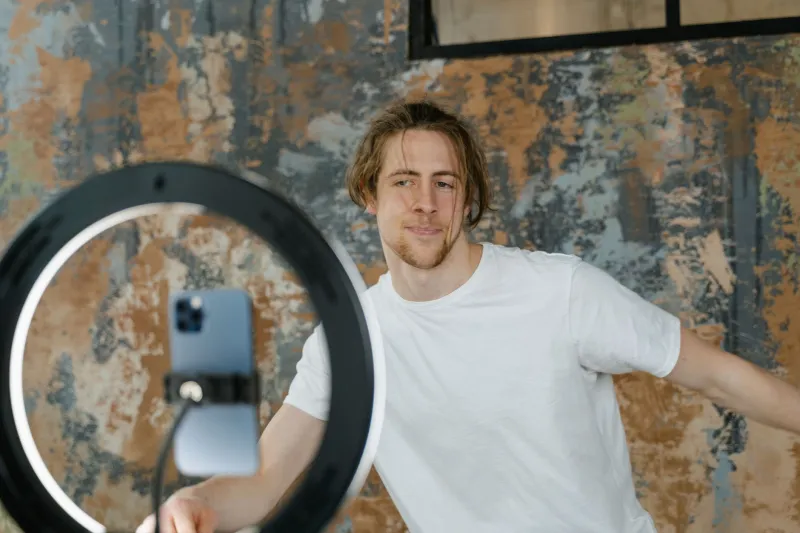
Creators who can afford to be messy, to post the raw take without worrying about losing brand deals, tend to already have financial cushions. The influencer who does the "no makeup" video still has a ring light and a camera that costs more than most people's rent. The vulnerability is real, maybe, but it's vulnerability from a position of security. It's managed exposure.
For creators without that cushion — especially those from working-class backgrounds, creators of color navigating industries that punish their missteps more harshly, LGBTQ+ creators in states where being visibly themselves carries genuine risk — "authenticity" isn't a brand strategy. It's a calculation with real stakes. The freedom to be unfiltered is, in a lot of cases, a class privilege dressed up as a personality trait.
And on the consumption side, the people most hungry for genuine human connection online — often the most isolated, the least resourced — are the ones being asked to pay subscription fees to access it.
The Aesthetic of Honesty
What's particularly strange about this moment is that authenticity now has a look. You know it when you see it: slightly washed-out color grading, vertical phone footage, a hesitation before a sentence, a visible water bottle in the background. These are the visual and behavioral cues that signal "this is the real version" — which means they've become a style choice, same as any other.
Beauty brands sell "no-makeup makeup." Influencers take professionally edited photos of themselves looking "candid." Brands post intentionally rough-looking content to seem less corporate. The aesthetic of unpolished honesty has been so thoroughly studied and replicated that it's now indistinguishable, in many cases, from the actual thing.
This is what happens when a cultural value gets absorbed by market logic: it becomes a signal that can be faked, and then the faked version becomes more common than the original, and then nobody can tell the difference, and then the whole thing kind of collapses into itself. We're somewhere in the middle of that process right now.
What's Actually Lost
The deeper casualty here isn't the authenticity of any one creator or brand. It's the cultural norm that honesty should be freely available — that the real version of people, of ideas, of art, shouldn't require a financial transaction to access.
When genuine self-expression becomes a luxury good, a few things happen. People who can't afford the premium tier learn to perform polish instead of practicing honesty. Communities that used to form around shared vulnerability — the weird forums, the early social media groups where people were just figuring things out in public — get replaced by curated access experiences with monthly fees. And the culture slowly loses its tolerance for messiness that isn't monetized, for rawness that isn't a product.
The strange thing about authenticity is that it was never supposed to scale. It was supposed to be the thing that happened when the cameras were off, when there was no audience, when you weren't trying to convert anyone. The moment you build a revenue model around it, you've already changed what it is.
Maybe the most honest thing anyone can do online right now is admit that. Not as a bit. Not as a Substack post. Just — admit it, and see what's left.
Probably not a lot. But probably something real.